How to Prepare Your Home for Autumn and Winter

To prepare your home for winter, check for draughts, review your insulation and keep ventilation clear. Investigate persistent damp, check your heating settings and protect pipes in cold spaces. These practical checks can help you decide what to tackle yourself and when to seek advice.
Use this winter home maintenance checklist to get started.
Your winter home maintenance checklist
| What to check | What you can do | When to seek advice |
| Windows and doors | Feel for unwanted draughts. | Seals need repair or condensation persists. |
| Loft insulation | Look safely for gaps, compression or damp. | Access is unsafe or insulation is wet. |
| Condensation | Use extractors and keep vents clear. | Moisture or mould keeps returning. |
| Damp walls | Note patches and changes after rain. | Damp spreads or returns. |
| Heating controls | Review settings and clear radiators. | Heating malfunctions or rooms stay cold. |
| Conservatories and garden rooms | Review heat loss and room use. | You need advice on insulation or heating. |
| Pipes in cold spaces | Check insulation and locate the stop tap. | Insulation is damaged or pipes leak. |
1. Check windows and doors for draughts
Feel around closed windows and external doors for unwanted cold air. Worn seals, loose letterboxes and gaps around frames can make rooms uncomfortable.
Suitable draught-proofing strips or a letterbox brush can help. Make sure windows and doors still close properly.
Keep trickle vents, air bricks and extractor openings clear. If condensation is already a problem, get advice before adding more draught-proofing.
For more detail, see the Energy Saving Trust guide to draught proofing.
2. Check whether your loft insulation is doing its job
From a safe access point, look for gaps, compressed insulation or damp material. Never step onto unsupported ceiling boards. Keep eaves ventilation clear and investigate leaks before adding insulation.
For conventional mineral wool, 270 mm is a commonly recommended depth. Other materials and constructions need different specifications.
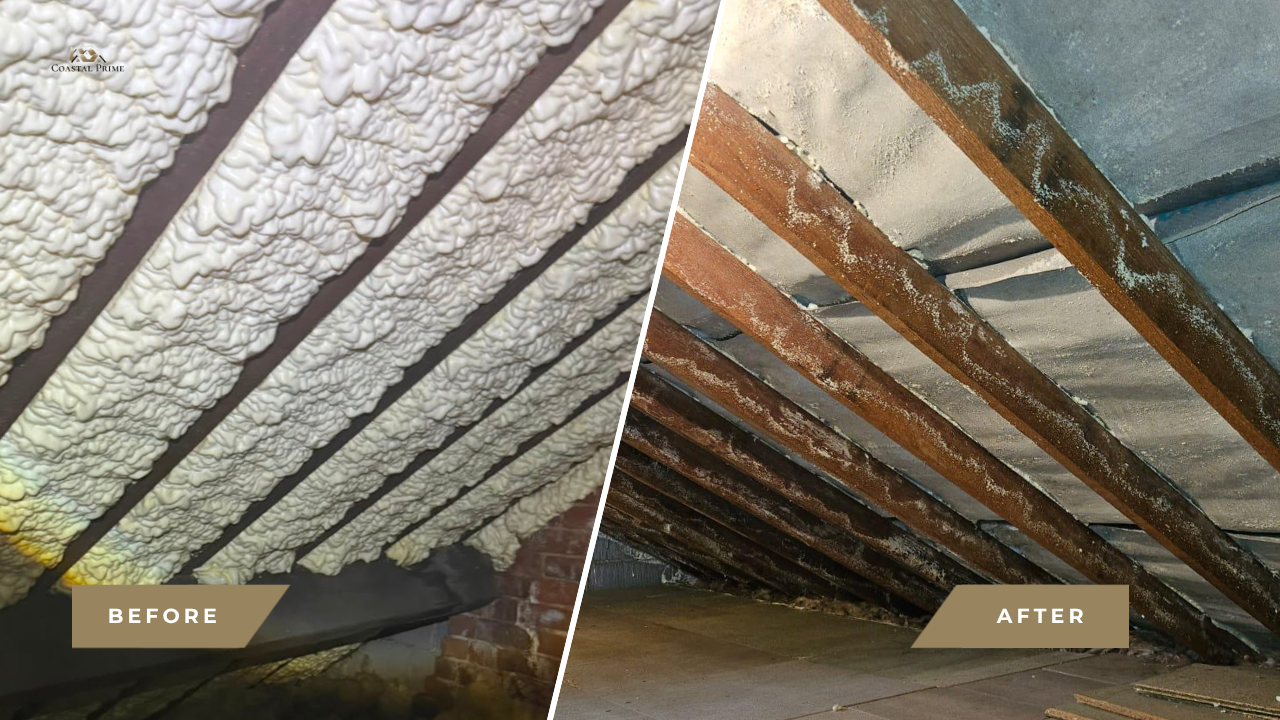
Our home insulation services include Knauf Eko Roll and YBS SuperQuilt for suitable applications. Damaged or unsuitable material may need a loft insulation overhaul.
Dry insulation in good condition may only need topping up. A survey helps establish the right approach.
A recent SuperQuilt installation
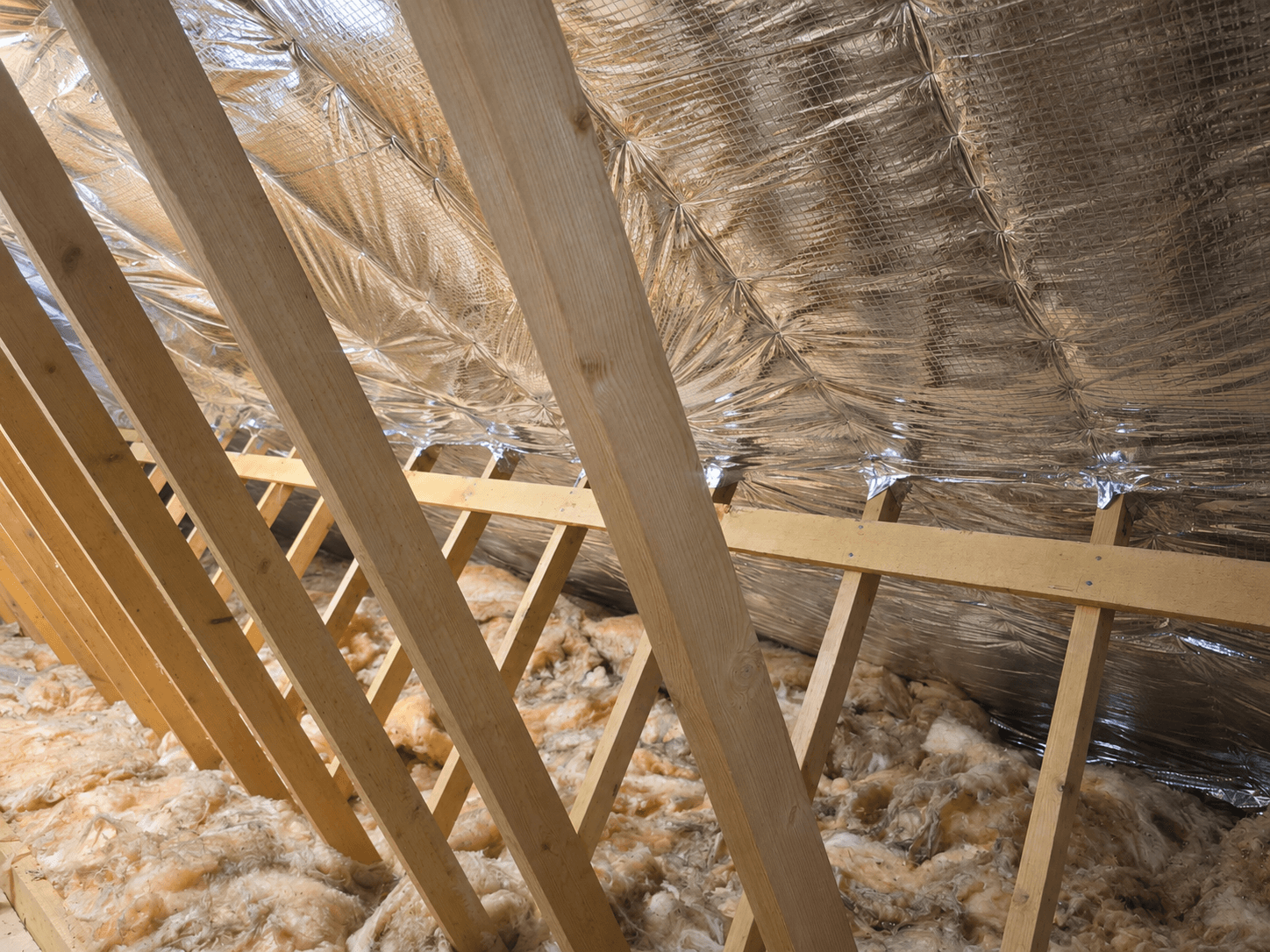
On a recent Coastal Prime project, we installed 79m² of SuperQuilt and carried out timber treatment. The work needed will depend on your loft’s condition and insulation requirements.
3. Reduce condensation while keeping your home ventilated
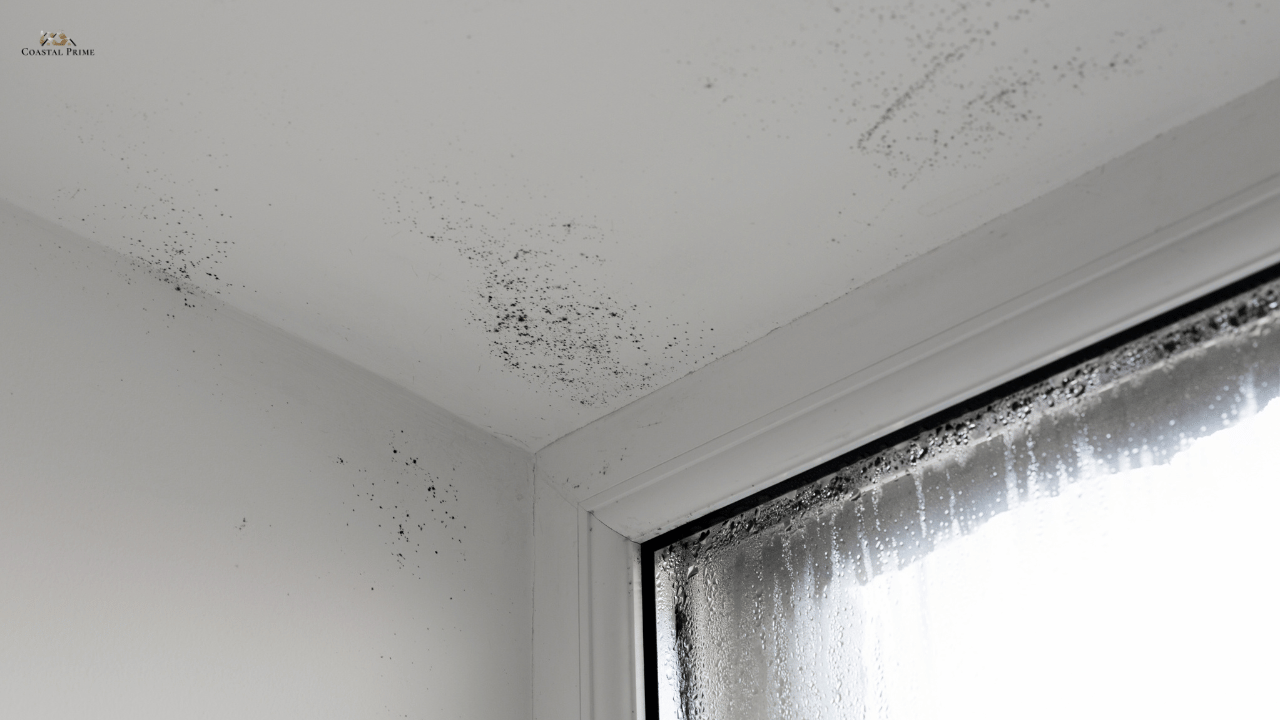
Condensation forms when moist air meets a cold surface, often leaving water on windows or colder walls. To reduce moisture and support airflow:
- Use extractors when cooking and bathing, following their instructions.
- Keep trickle vents open and unobstructed.
- Put lids on pans when cooking.
- Dry washing outdoors when practical, or in a suitably ventilated space.
- Leave a gap between furniture and external walls.
Recurring condensation needs attention to moisture, ventilation and cold surfaces. A dehumidifier may help control humidity but does not provide fresh air.
Read our guide to the common causes of damp and condensation for more advice.
4. Check damp patches and consider suitable damp proofing
Note where damp patches appear and whether rain makes them worse. From ground level, look for cracked render, damaged pointing or leaking downpipes. Appearance alone cannot confirm the cause.
Effective damp proofing starts with understanding the problem. Condensation, rain penetration and plumbing leaks need different solutions. Coastal Prime can assess whether external wall protection or work to existing cavity wall insulation could help.
For suitable masonry, ProPERLA Masonry Crème reduces rainwater absorption while allowing water vapour through. Repairs and preparation come first; the treatment does not fix leaks or solve every type of damp.
Cold walls or damp patches do not automatically mean cavity wall insulation has failed. Our cavity wall insulation assessment, extraction and injection services depend on the property’s condition and suitability.
5. Review your heating controls and room layout
Check that your heating settings suit your routine and follow your system’s instructions. Keep radiators clear of furniture and curtains, and close curtains at dusk to help retain warmth.
If one room stays unusually cold, note where the problem is strongest before speaking to a heating engineer or insulation surveyor.
6. Plan how to heat a conservatory or garden room
Consider when you use the room, how quickly it loses warmth and whether its heating is adequate. Improving insulation and reducing draughts may help alongside suitable heating.
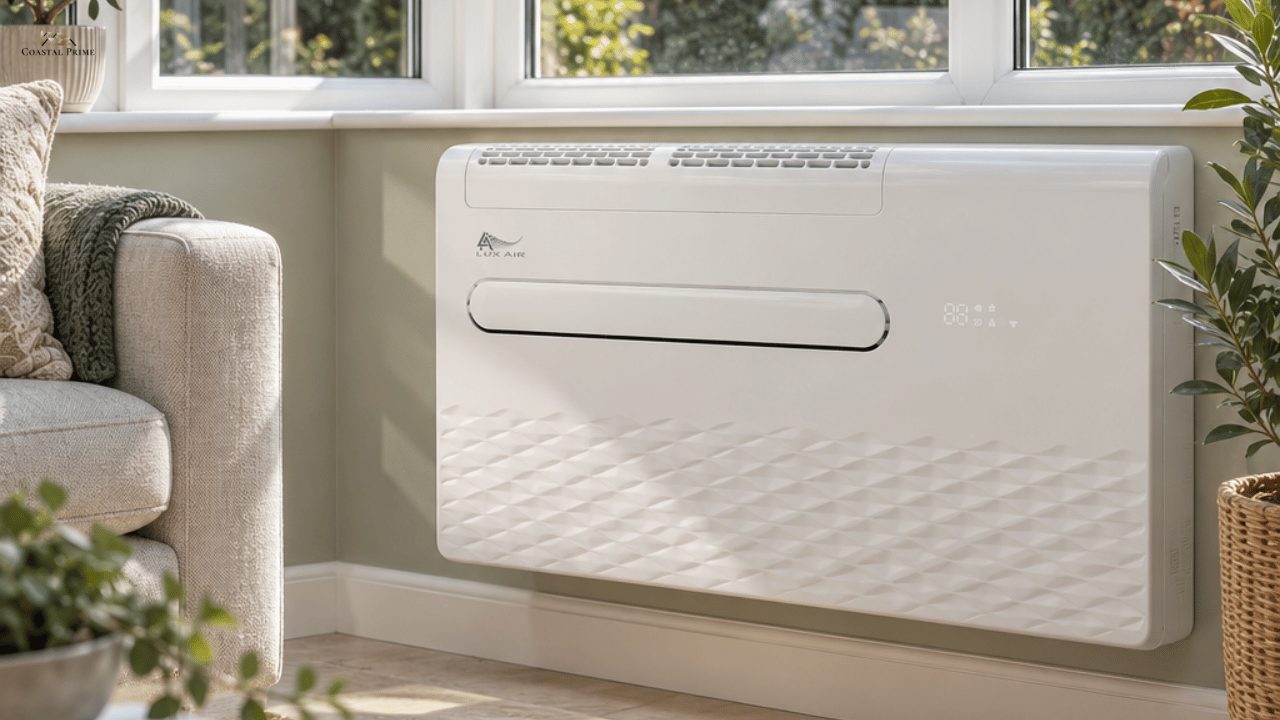
We install Lux Air Monoblock air conditioning for heating and cooling, with a separate dehumidification mode. The wall-mounted unit has no outdoor condenser and uses two external grilles.
We assess room size, insulation, heat loss and installation requirements before recommending it. Running costs and performance depend on the room and how the system is used.
7. Check pipes in unheated spaces
Check accessible pipes in unheated lofts and garages for missing or damaged insulation. Insulating the loft floor can leave the loft colder, so pipes and cold-water tanks need suitable protection too.
Ask a plumber if you are unsure what needs protecting, and make sure your main stop tap is easy to reach.
Common questions about preparing your home for winter
Explore answers to frequently asked questions about our insulation, roofing, air conditioning and home improvement services.
When should I prepare my home for winter?
Does old loft insulation always need replacing?
How can I tell condensation from penetrating damp?
Should damp be investigated before adding insulation?
Will better insulation stop condensation?
Get help preparing your home for colder weather
Concerned about insulation, damp proofing or a room that is difficult to heat? Our free, no-obligation home survey gives you clear advice and a quotation for any recommended work.
Call 0203 051 7316 or request your free home survey.
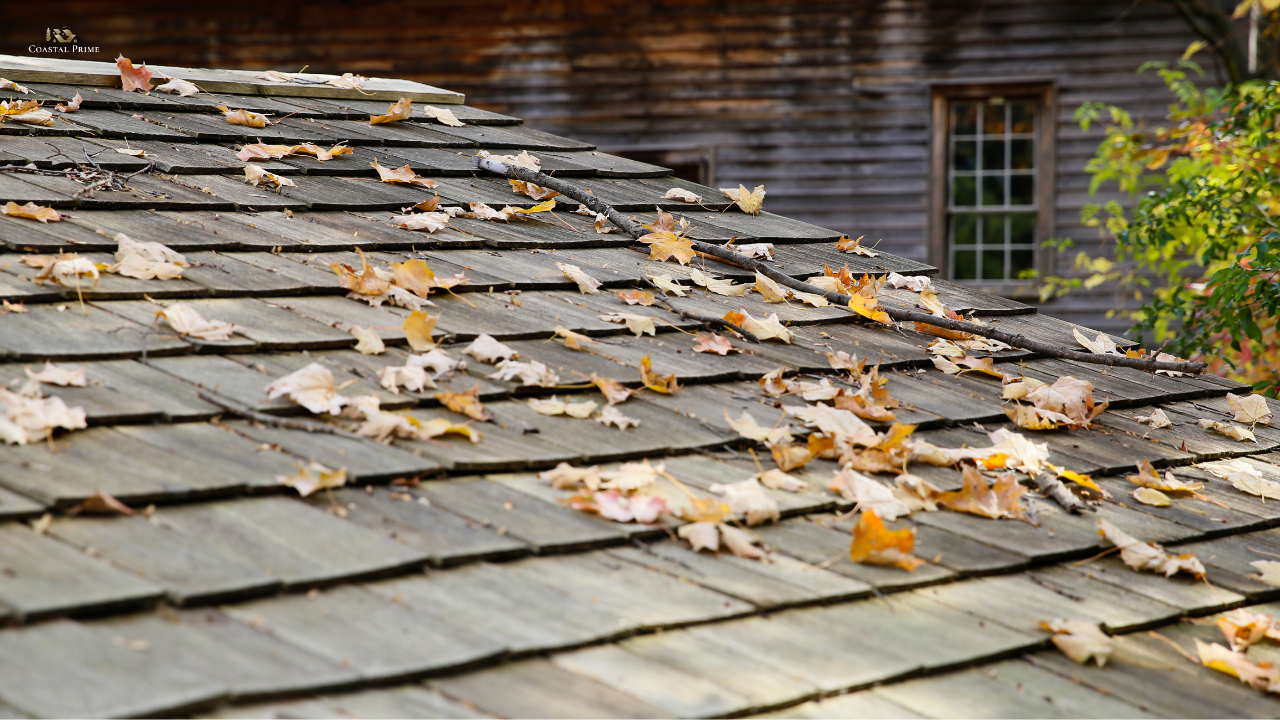
For outdoor checks, you can also read our guide to preparing your roof for autumn and winter.