5 Signs Your Insulation Is Failing
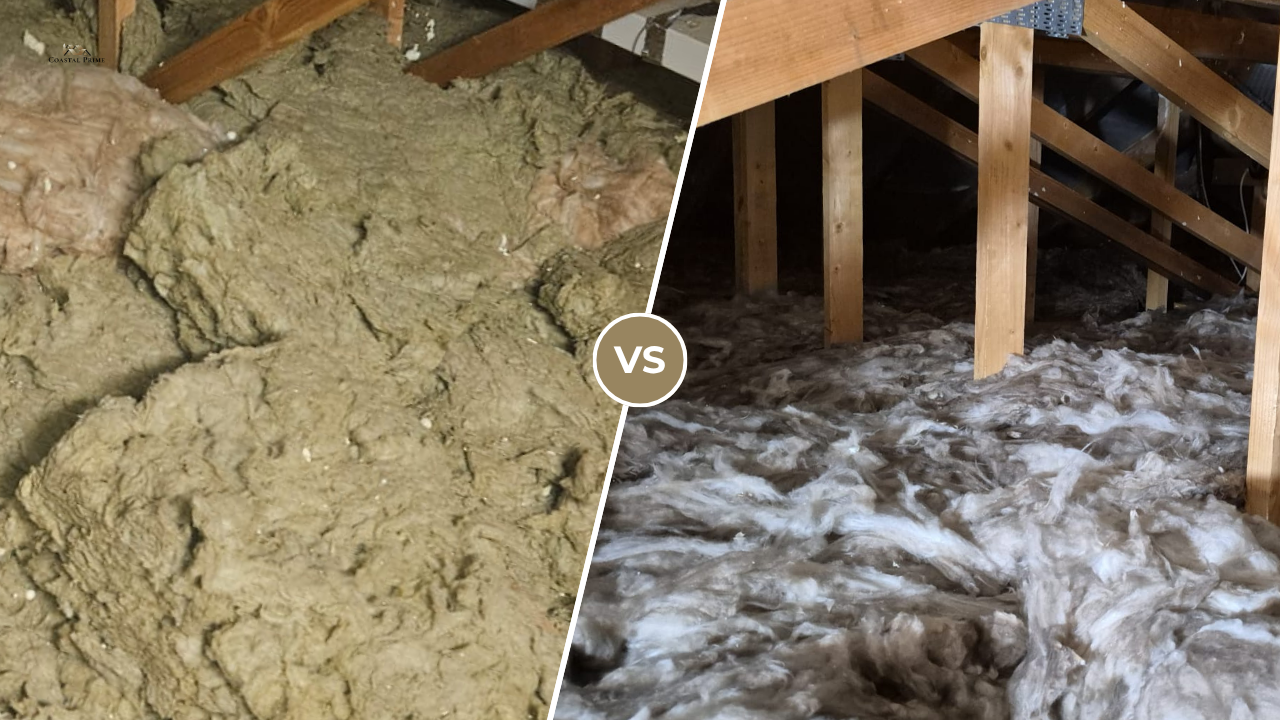
When insulation starts to underperform, your home will usually tell you, although the signs are not always obvious. From cold upstairs rooms to rising energy bills, poor insulation can quietly affect the comfort of your home and how efficiently it retains heat.
Here are five common signs your insulation may not be performing as it should, what could be causing them, and when it may be worth having a professional take a look.
1. Your home cannot hold heat for long
If your home warms up when the heating is on but cools down again quickly, your insulation may not be doing enough to retain that heat. The loft and roof are key areas for heat loss, particularly where insulation is thin, patchy or no longer providing adequate coverage.
What homeowners notice:
- Rooms warm up but quickly become cold again
- The heating needs to stay on for longer
- Downstairs feels comfortable while upstairs loses heat more quickly
Why it happens: Loft insulation can become less effective if it settles, becomes compressed, gets damp or is disturbed. Some older properties may also have much less insulation than would typically be installed today.
Helpful next step: A professional insulation survey can help identify areas where insulation may be underperforming and whether an upgrade could improve the comfort and energy efficiency of your home.
2. Cold spots or draughts around the home
Noticeable differences in temperature between rooms can be another sign of inadequate insulation. Cold patches on ceilings, chilly upstairs bedrooms or draughts around the loft hatch may point to gaps in coverage.
What homeowners notice:
- One bedroom is consistently colder than the rest
- Cold patches on walls or ceilings
- Draughts even when windows and doors are closed
- Certain areas of the home are harder to keep warm
Why it happens: Older lofts and room in roof spaces can have insufficient insulation behind sloping ceilings, gaps around rafters or areas that were missed during previous insulation work.
Helpful next step: If the problem is particularly noticeable in an attic room or converted loft, upgrading the room in roof insulation could help create a more consistent temperature throughout the space.
3. Your heating is working harder than it used to
Higher energy bills can have many causes, including changes in energy prices and household usage. However, if you find yourself relying on the heating more often just to maintain a comfortable temperature, your insulation could be contributing to the problem.
What homeowners notice:
- The heating stays on for longer periods
- Rooms take more effort to keep comfortable
- Your home quickly becomes cold once the heating is switched off
- Winter energy use appears higher than expected
Why it happens: Gaps, compressed insulation or inadequate coverage can allow more heat to escape from the property. Older insulation may also provide a lower level of thermal performance than newer systems.
Helpful next step: Depending on your property, upgrading the existing insulation or considering a high-performance system such as SuperQuilt could help reduce unnecessary heat loss.
4. You have condensation or damp in the loft
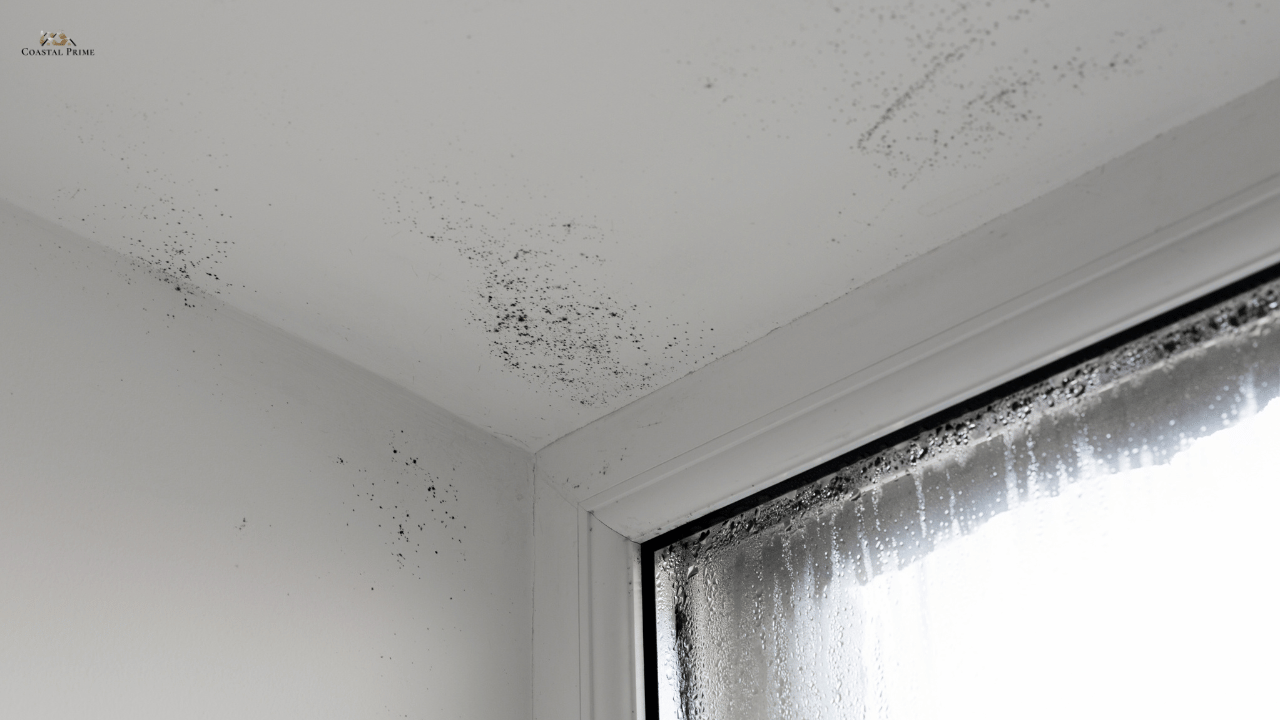
Moisture in a loft or roof space should not be ignored. As well as affecting the performance of some insulation materials, persistent moisture can contribute to mould and problems with roof timbers.
What homeowners notice:
- Condensation on roofing felt or membranes
- Damp or musty-smelling insulation
- Visible mould or moisture
- A humid or stuffy loft space
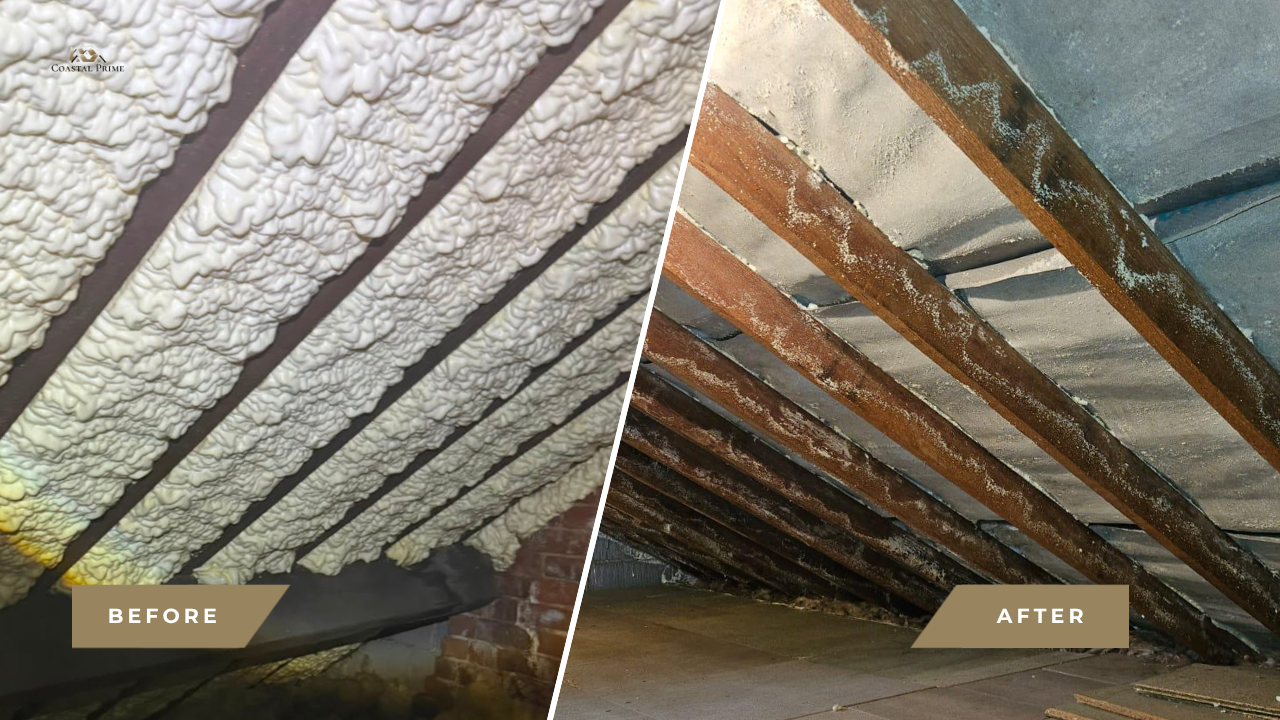
Why it happens: Loft moisture can have several causes, including inadequate ventilation and condensation forming on cold surfaces. In some properties, poorly installed or unsuitable spray foam insulation may also restrict ventilation or make it more difficult for moisture to escape.
Helpful next step: It is important to identify the source of the moisture before making changes to the insulation. Where spray foam is contributing to the problem, professional spray foam removal may form part of the solution before suitable replacement insulation is installed.
5. Your loft insulation looks old, thin or patchy
You do not always need specialist equipment to spot a potential insulation problem. A visual check of an accessible loft can sometimes reveal obvious gaps, thin areas or insulation that has been compressed or disturbed.
What homeowners notice:
- Insulation that appears flat or thin
- Visible gaps between sections of insulation
- Areas where insulation has been moved or compressed
- Damp or discoloured material
- Inconsistent coverage across the loft
Why it happens: Insulation can become less effective when it is compressed, disturbed or exposed to moisture. Some older properties may also have insulation that was installed to previous standards or only covers part of the loft space.
Helpful next step: If the existing insulation is visibly inconsistent or in poor condition, an insulation overhaul can address the existing material and help create more consistent insulation coverage.
Insulation FAQs
Got questions about your home’s insulation? Find answers to some of the things homeowners ask us most often.
Should old loft insulation be removed before installing new insulation?
How do I know if my loft needs more insulation?
Can poor insulation cause condensation or damp?
How long does loft insulation last?
What is the best insulation for an older home?
When should you take action?
One cold room or an unusually high energy bill does not necessarily mean your insulation has failed. However, if you are noticing several of these signs together, it may be worth investigating what is happening within your loft or roof space.
A free home survey can help establish the condition of your existing insulation, identify areas of heat loss and determine whether any improvements are needed.
The right solution will depend on your property, the condition of the existing insulation and where heat is being lost. From upgrading older loft insulation to addressing problematic spray foam or improving insulation in a converted roof space, a professional assessment can help you understand the most appropriate next step for your home.